










More than 60 percent of homeowners report feeling uncertain when choosing the right professional for major construction or renovation work. The decisions you make now can affect your home’s safety, value, and legal protection for years to come. Understanding the vital role of professional contractors helps you avoid costly mistakes and ensures your project meets the highest standards from start to finish.
Table of Contents
- Defining Professional Contractors And Their Role
- Types Of Contractors For Home Projects
- Licensed Vs. Unlicensed Contractors Explained
- Key Benefits Of Hiring A Contractor
- Understanding Costs And Contractual Obligations
- Risks Of Diy Vs. Professional Services
Key Takeaways
| Point | Details |
|---|---|
| Professional Contractors’ Role | Skilled professionals manage construction projects, ensuring compliance with regulations and coordinating various tasks. |
| Types of Contractors | Understanding different contractor types like general, HVAC, and plumbing specialists helps homeowners select the right expert for their project. |
| Licensed vs. Unlicensed | Hiring licensed contractors ensures accountability, skill verification, and adherence to local building codes, protecting homeowners from risks. |
| Risks of DIY Projects | DIY home improvement can lead to costly mistakes, safety hazards, and subpar workmanship, making professional services a safer investment. |
Defining Professional Contractors and Their Role
A professional contractor is a skilled construction expert responsible for managing comprehensive building and renovation projects from start to finish. According to govinfo.gov, these professionals handle critical aspects like hiring subcontractors, obtaining necessary permits, and scheduling inspections to ensure strict compliance with local building codes.
Professional contractors serve as the central coordinators of construction projects, bringing specialized knowledge and comprehensive project management skills. Eric.ed.gov highlights that general building contractors are primarily engaged in constructing diverse structures including residential homes, commercial buildings, farm structures, and other complex projects. Their core responsibility involves overseeing the entire construction process through multiple intricate stages.
Key responsibilities of professional contractors typically include:
- Developing detailed project plans and timelines
- Managing project budgets and financial resources
- Coordinating skilled trades and subcontractors
- Ensuring safety and regulatory compliance
- Providing expert technical guidance
- Troubleshooting unexpected construction challenges
Working with a professional contractor transforms complex construction projects from potential headaches into streamlined, efficiently managed experiences. Role of Contracts in Renovation: Complete Guide provides additional insights into how professional contracts protect homeowners throughout renovation processes.
Types of Contractors for Home Projects
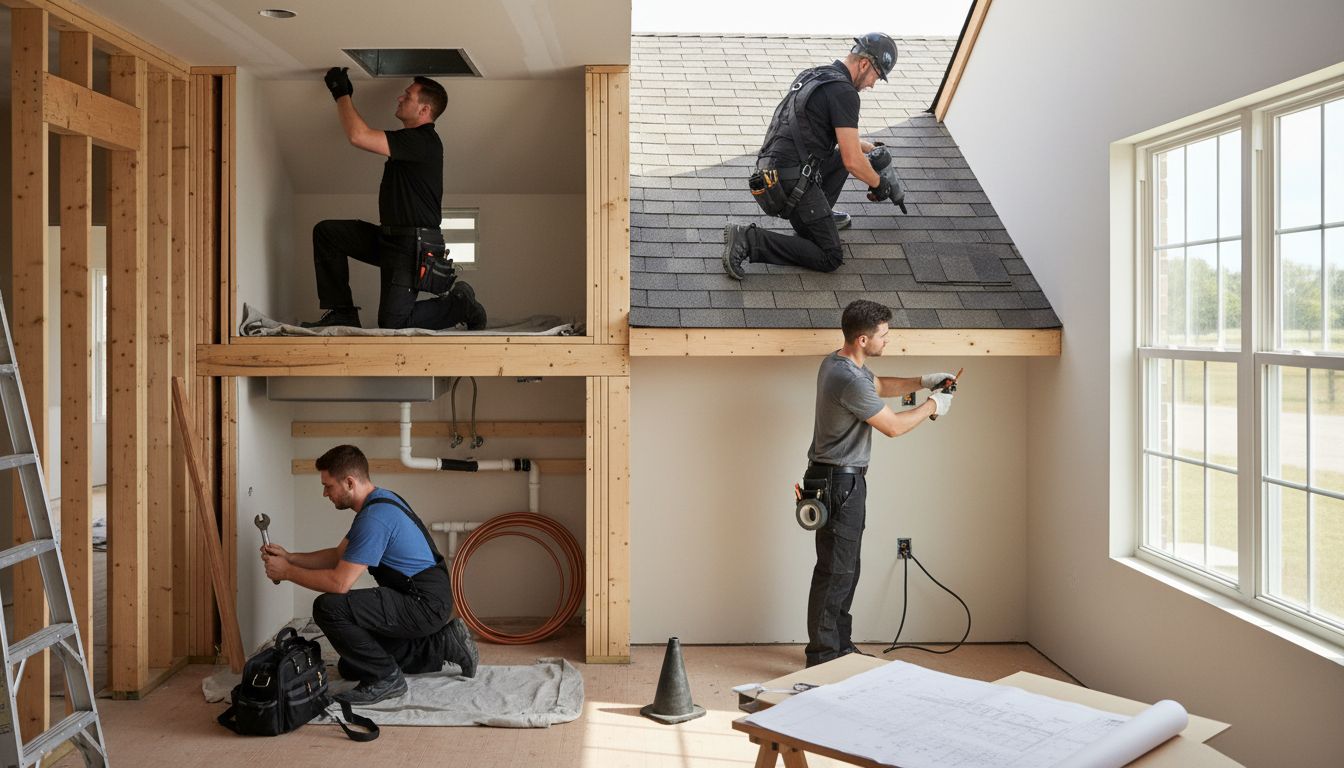
Home improvement projects require specialized professionals with unique skills and expertise. According to www1.eere.energy.gov, the residential construction market encompasses diverse service providers targeting specific home improvement needs, including remodelers, HVAC contractors, home performance specialists, and home improvement retailers.
TheConstructor.org highlights that construction companies can be categorized into several distinct types, each serving different project requirements. These specialized contractor categories include:
- General Contractors: Manage entire construction projects
- Small Renovation Contractors: Handle specific home upgrades
- HVAC Specialists: Focus on heating, ventilation, and air conditioning systems
- Roofing Contractors: Expert in roof repair and replacement
- Electrical Contractors: Manage electrical system installations and repairs
- Plumbing Contractors: Specialize in water and drainage system work
Understanding these contractor types helps homeowners select the right professional for their specific project needs.
 Role of a Deck Contractor: Everything You Need to Know provides deeper insights into specialized contractor roles, helping you make informed decisions about your home improvement projects.
Licensed vs. Unlicensed Contractors Explained
Choosing between licensed and unlicensed contractors is a critical decision that can significantly impact your home improvement project’s success and safety. According to AttorneyGeneral.nd.gov, hiring a licensed contractor ensures that the professional has met specific qualifications and adheres to state regulations, providing crucial accountability and protection for homeowners.
Licensed contractors differ from unlicensed professionals in several key aspects. They are required to demonstrate professional competence, carry necessary insurance, and maintain compliance with local building codes and industry standards. NJBIA.org highlights the importance of professional boards that regulate home improvement contractors, ensuring standardized qualifications and maintaining industry integrity.
Key differences between licensed and unlicensed contractors include:
- Legal Accountability: Licensed contractors have a regulatory body overseeing their work
- Insurance Protection: Licensed professionals carry mandatory liability insurance
- Skill Verification: Must pass competency tests and maintain professional credentials
- Code Compliance: Guaranteed adherence to local building and safety regulations
- Warranty Coverage: Often provide longer, more comprehensive project warranties
- Financial Security: Lower risk of project abandonment or substandard work
For homeowners seeking comprehensive insights into contractor selection, How to Hire a Roofing Contractor for a Stress-Free Project offers additional guidance on identifying reputable, licensed professionals for your home improvement needs.
Key Benefits of Hiring a Contractor
Hiring a professional contractor transforms home improvement projects from potential challenges into streamlined, expertly managed experiences. According to Govinfo.gov, professional contractors provide comprehensive project management by expertly handling critical aspects like subcontractor coordination, permit acquisition, and ensuring strict compliance with local building codes.
Energy.gov highlights that specialized contractors like remodelers and HVAC specialists offer more than just construction services. They bring targeted expertise that can enhance home energy efficiency, potentially leading to significant long-term cost savings and increased property value.
Key benefits of hiring a contractor include:
- Professional Expertise: Years of specialized training and hands-on experience
- Project Management: Comprehensive coordination of complex renovation tasks
- Time Efficiency: Streamlined processes that minimize project delays
- Cost-Effective Solutions: Strategic approaches that optimize your budget
- Quality Assurance: Professional-grade workmanship and materials
- Risk Mitigation: Proper insurance and liability protection
- Regulatory Compliance: Guaranteed adherence to local building codes
For homeowners seeking deeper insights into home improvement strategies, Why Renovate Your Home: Complete Guide offers comprehensive advice on making informed renovation decisions.
Understanding Costs and Contractual Obligations
Navigating the financial and legal landscape of home improvement projects requires careful planning and understanding. According to AttorneyGeneral.nd.gov, homeowners should thoroughly research their project, obtain multiple written bids, and develop a detailed understanding of the work and materials required to ensure financial transparency and prevent unexpected costs.
Govinfo.gov emphasizes the critical importance of a comprehensive contract that clearly outlines key project parameters. A well-constructed contract serves as a legal safeguard, providing both homeowner and contractor with clear expectations about project scope, timeline, payment schedules, and warranty provisions.
Key elements to address in your contractual agreement include:
- Detailed Scope of Work: Precise description of all project activities
- Exact Cost Breakdown: Itemized list of materials and labor expenses
- Payment Schedule: Structured payments tied to project milestones
- Project Timeline: Clearly defined start and completion dates
- Warranty Information: Specific terms of workmanship and material guarantees
- Change Order Procedures: Protocol for handling unexpected modifications
- Cancellation Terms: Conditions for contract termination
To gain additional insights into navigating complex renovation agreements, Role of Contracts in Renovation: Complete Guide offers comprehensive guidance for homeowners preparing for their next home improvement project.
Risks of DIY vs. Professional Services
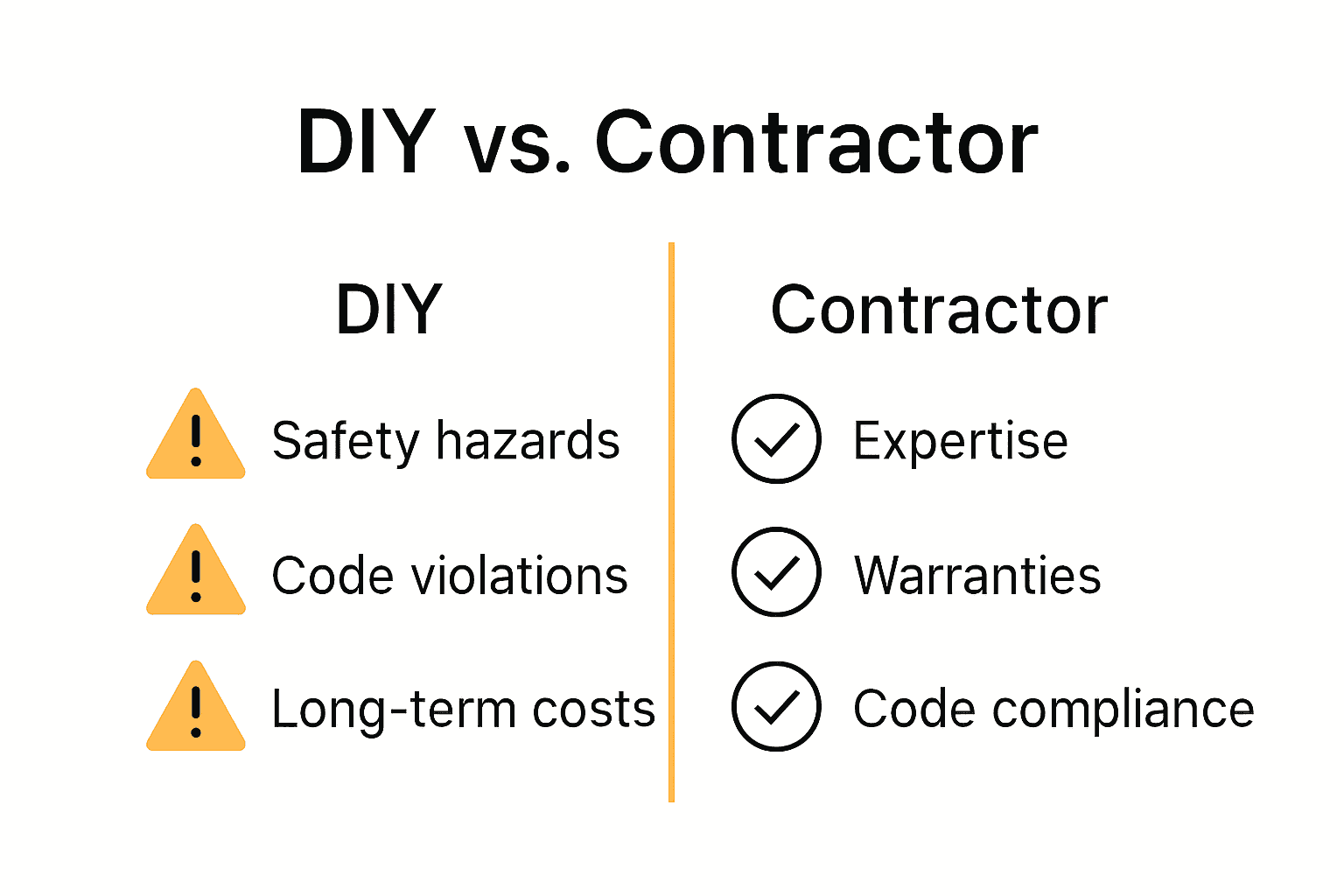
Homeowners often contemplate tackling home improvement projects independently, but this approach comes with significant risks. Govinfo.gov warns that DIY projects can lack the expertise and efficiency of professional contractors, potentially resulting in subpar work, unexpected safety hazards, and increased long-term expenses.
AttorneyGeneral.nd.gov emphasizes that professional contractors ensure work meets precise code and industry standards, dramatically reducing the likelihood of costly mistakes and protecting the longevity and safety of home improvement investments. The expertise professionals bring can prevent potentially dangerous errors that inexperienced homeowners might overlook.
Key risks of DIY home improvement projects include:
- Structural Damage: Potential compromise of home’s structural integrity
- Safety Hazards: Increased risk of personal injury or property damage
- Code Violations: Potential legal and insurance complications
- Poor Quality Workmanship: Substandard results affecting home value
- Higher Long-Term Costs: Expensive repairs from initial mistakes
- Time Consumption: Significantly longer project completion times
- Lack of Professional Warranties: No guaranteed quality assurance
For homeowners seeking comprehensive guidance on making informed renovation decisions, 7 Essential Roofing Maintenance Tips Every Homeowner Should Know offers valuable insights into professional home maintenance strategies.
Ensure Your Home Improvement Success with Trusted Professionals
Taking on a home renovation without the right help can lead to costly mistakes and endless stress. This article highlights the importance of hiring licensed, experienced contractors who manage every detail from permits to quality assurance. If you want to avoid project delays and costly surprises while ensuring your home improvement meets local building codes and safety standards, professional guidance is the key.

Discover how partnering with skilled experts can transform your project into a smooth, worry-free experience. Explore real customer stories and learn about our comprehensive services tailored for homeowners in Moncton and the surrounding New Brunswick area. For trusted advice and quality craftsmanship, visit Home Renovation Archives – J. A. Kelly Contracting Services to see how we bring your renovation dreams to life. Ready to start? Contact us today at https://jakellycontractingservices.ca and get your free estimate. Let us take the challenge of managing your home improvement project so you can enjoy the results worry-free.
Frequently Asked Questions
What is the role of a professional contractor in home improvement projects?
A professional contractor manages comprehensive building and renovation projects, overseeing everything from hiring subcontractors to ensuring compliance with local building codes and managing budgets.
What are the key benefits of hiring a licensed contractor?
Hiring a licensed contractor assures homeowners of professional competence, insurance protection, and adherence to local building regulations, reducing risks and ensuring quality workmanship.
How do I differentiate between licensed and unlicensed contractors?
Licensed contractors are required to meet specific qualifications, carry insurance, and comply with local building codes, while unlicensed contractors lack these assurances, making the former generally a safer choice for home improvement projects.
What should I include in a contract when hiring a contractor?
A contract should include a detailed scope of work, exact cost breakdown, payment schedule, project timeline, warranty information, change order procedures, and cancellation terms to ensure clarity and prevent disputes.