







The cost of a new roof can catch homeowners off guard, with major repairs sometimes climbing well above $10,000. When the need for urgent roof work arises, finding a way to pay for it without draining your savings becomes a top concern. Roofing financing options offer a practical path, helping you manage expenses while protecting your home. This guide unpacks the main ways to finance a roof so you can choose a solution that fits your budget and needs.
Table of Contents
- What Are Roofing Financing Options?
- Types of Roofing Financing Solutions
- How Financing Application Processes Work
- Evaluating Costs and Payment Terms
- Common Pitfalls in Roof Financing
Key Takeaways
| Financing Options | Details |
|---|---|
| Multiple Financing Solutions | Homeowners can choose from personal loans, home equity loans, HELOCs, and specialized programs to finance roofing projects. |
| Key Considerations | Evaluate credit score, interest rates, repayment terms, and potential tax implications when selecting a financing option. |
| Preparation is Crucial | Gather necessary financial documents and understand application requirements to streamline the financing process. |
| Avoid Common Pitfalls | Be aware of hidden fees, variable interest rates, and the long-term impact of financing choices on overall expenses. |
What Are Roofing Financing Options?
Roofing financing options are specialized financial solutions designed to help homeowners cover the costs of roof repairs, replacements, or renovations without paying the entire expense upfront. These financing mechanisms provide flexible payment strategies that make critical home improvements more accessible and manageable.
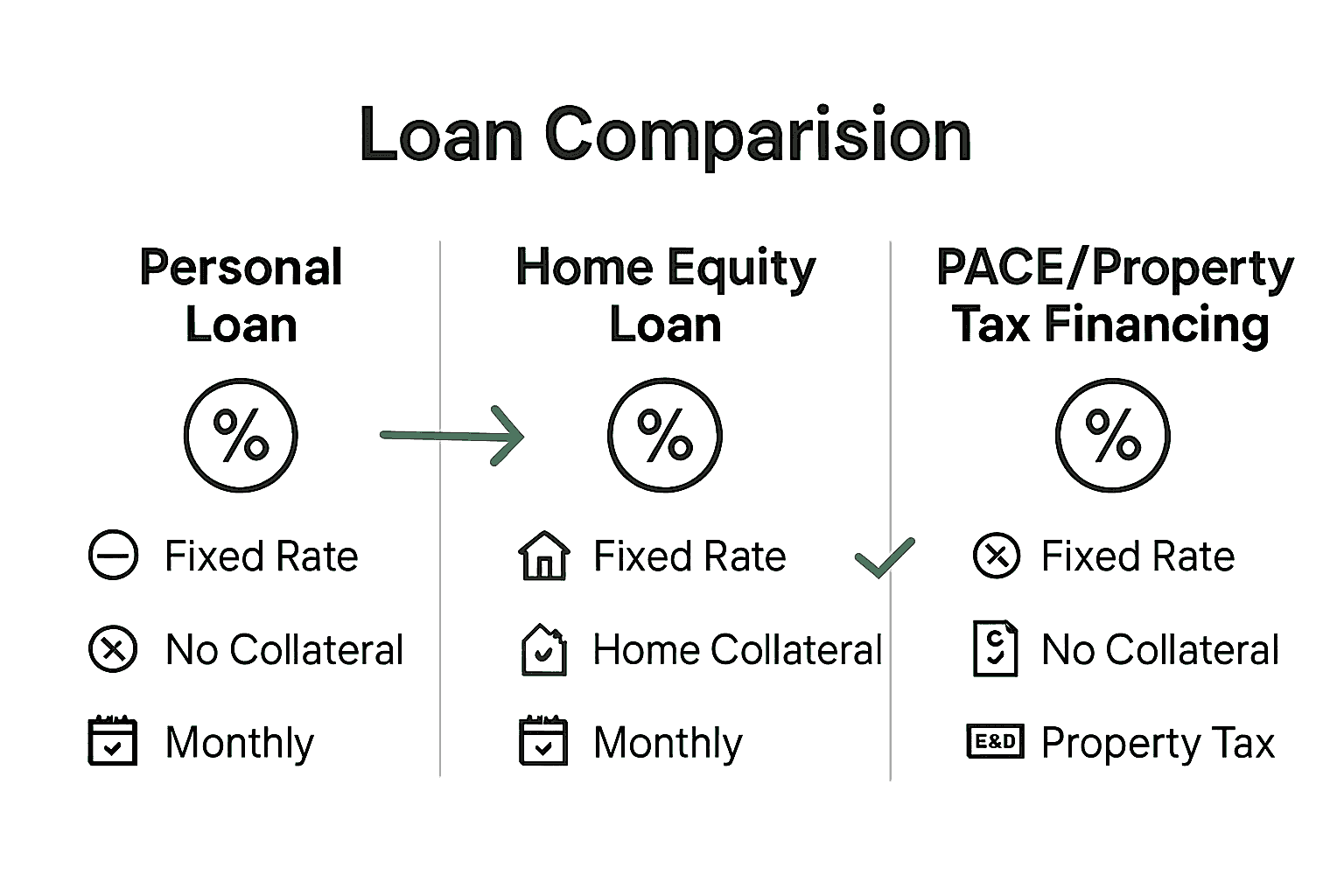
Typically, roofing financing options include several key approaches. Personal loans allow homeowners to borrow a lump sum from banks or credit unions, which can be repaid through fixed monthly installments. Home equity loans leverage the existing equity in your property, offering lower interest rates by using your home as collateral. Some specialized programs, like the financing options for decks, demonstrate how local contractors can provide tailored financial solutions.
According to floridapace.gov, some innovative financing models allow homeowners to fund roofing projects through fixed-rate financing added directly to their property tax bill. This approach eliminates the need for substantial upfront costs, making roof repairs and replacements more financially feasible. Homeowners can choose from various financing methods based on their credit score, available equity, and personal financial situation.
When exploring roofing financing, consider these critical factors:
- Your current credit score and financial health
- Interest rates and loan terms
- Total project cost
- Repayment timeline
- Potential tax implications
By understanding these financing options, you can make an informed decision that protects your home while maintaining your financial flexibility.
Types of Roofing Financing Solutions
Homeowners have multiple financing solutions available to fund their roof repair or replacement projects, each with unique advantages and considerations. Understanding these options helps you select the most suitable approach for your specific financial situation and home improvement needs.
Personal Loans represent one of the most straightforward financing methods. These unsecured loans provide homeowners with a lump sum that can be repaid through fixed monthly installments. Banks, credit unions, and online lenders typically offer personal loans with varying interest rates based on the borrower’s credit score and financial history. When considering how to hire a roofing contractor, it’s crucial to discuss financing options during your initial consultation.
According to floridapace.gov, specialized programs like property tax financing offer innovative solutions for homeowners. These programs allow roof replacement costs to be added directly to property tax bills, eliminating significant upfront expenses. Other prominent financing alternatives include:
- Home Equity Loans: Use your home’s existing equity with lower interest rates
- Home Equity Lines of Credit (HELOC): Flexible credit line based on home value
- Manufacturer Financing: Some roofing material providers offer direct financing
- Credit Card Financing: Short-term option for smaller repair projects
- Government Assistance Programs: Potential grants for energy-efficient roof upgrades
The right financing solution depends on several factors including your credit score, available equity, project cost, and long-term financial goals. Carefully evaluate each option’s terms, interest rates, and potential tax implications to make an informed decision that aligns with your budget and home improvement objectives.
How Financing Application Processes Work
Roofing financing application processes can seem complex, but understanding the typical steps can help homeowners navigate these financial pathways more confidently. Each financing option has its unique application requirements, though most follow a standard sequence of evaluation and approval steps.
Generally, the application process begins with credit assessment. Lenders will review your credit score, income, debt-to-income ratio, and financial history to determine your eligibility and potential interest rates. When preparing to choose the right roofing material, it’s equally important to understand your financing readiness.
According to floridapace.gov, specialized financing programs like PACE require homeowners to complete a detailed application to determine eligibility before proceeding with their roofing project. The typical application process involves several key steps:
- Preliminary Research: Compare different financing options
- Document Preparation: Gather financial documents
- Application Submission: Complete lender’s application form
- Credit Check: Lender evaluates financial background
- Approval Notification: Receive financing decision
- Funding: Access approved funds for roofing project
Most financial institutions will require specific documentation during the application, including proof of income, tax returns, employment verification, and details about the proposed roofing project. Understanding these requirements beforehand can streamline the application process and increase your chances of approval.

Evaluating Costs and Payment Terms
Evaluating the true cost of roofing financing requires careful analysis beyond the initial project price. Homeowners must consider multiple financial factors to understand the complete economic impact of their roofing investment, including interest rates, loan duration, and potential long-term savings.
Interest rates play a crucial role in determining the total expense of your roofing project. Different financing options offer varying rate structures, ranging from fixed-rate loans with consistent monthly payments to adjustable-rate financing that can fluctuate over time. When hiring a roofing contractor, discuss how different financing terms might affect your overall project budget.
According to floridapace.gov, specialized financing programs offer fixed-rate options that can be added directly to property tax bills, allowing homeowners to spread roofing project costs over time without substantial upfront expenses. This approach provides several key advantages:
- Predictable Monthly Payments: Consistent financial planning
- No Immediate Out-of-Pocket Costs: Reduced financial strain
- Potential Tax Benefits: Some financing options offer tax deductions
- Flexibility in Repayment: Multiple term length options
Comparing payment terms requires a comprehensive approach. Calculate the total cost of financing by examining interest rates, loan duration, monthly payments, and any additional fees. A lower monthly payment might seem attractive, but could result in higher overall expenses due to extended repayment periods. Always request a complete breakdown of costs and consider consulting a financial advisor to understand the long-term implications of your chosen financing strategy.
Common Pitfalls in Roof Financing
Roof financing can be complex, with numerous potential pitfalls that can catch homeowners off guard. Understanding these challenges is crucial to making informed financial decisions and avoiding unexpected complications that could impact your home improvement project and long-term financial health.
Hidden fees represent one of the most significant risks in roof financing. Many homeowners overlook additional charges like origination fees, closing costs, and prepayment penalties that can substantially increase the total project expense. When planning your roof maintenance, it’s equally important to understand the full financial landscape of your project.
According to floridapace.gov, specialized financing programs like PACE come with unique considerations that homeowners must carefully evaluate. For instance, these programs can add financing costs directly to property tax bills, which might create unexpected long-term financial obligations.
Common financing pitfalls to watch for include:
- Variable Interest Rates: Potential for unexpected payment increases
- Extended Loan Terms: Higher total cost despite lower monthly payments
- Insufficient Credit Preparation: Higher interest rates or loan rejection
- Incomplete Cost Comparisons: Overlooking total project expenses
- Inadequate Understanding of Terms: Missed contractual details
Successful roof financing requires thorough research, careful comparison of options, and a comprehensive understanding of each financing method’s long-term implications. Always read the fine print, ask detailed questions, and consider consulting a financial advisor to navigate these complex financial waters effectively.
Take Control of Your Roofing Project with Expert Financing Support
Understanding your roofing financing options is the first step to easing the stress of costly repairs or replacements. If you are worried about hidden fees, complex loan terms, or finding the right solution that fits your budget, you are not alone. Many homeowners face these challenges when deciding how to protect their homes without risking financial strain. With clear guidance and trusted contractors, you can navigate these decisions confidently.
Discover how J. A. Kelly Contracting Services in Moncton, New Brunswick, can help you access practical financing plans tailored to your needs. Explore our Roofing Archives for insights on materials and services while benefiting from our transparent approach to costs and payment terms. Don’t wait until roofing issues become emergencies. Visit our Home Renovation Archives to see how we support your broader home improvement goals. Contact us today for a free estimate and take the first step toward a safer, more comfortable home with confidence.
Frequently Asked Questions
What are the different types of roofing financing options available?
Homeowners can choose from various roofing financing options, including personal loans, home equity loans, home equity lines of credit (HELOC), manufacturer financing, credit card financing, and government assistance programs. Each option has its advantages and considerations tailored to individual financial situations.
How does the roofing financing application process work?
The typical application process for roofing financing begins with a credit assessment, followed by preliminary research on different options. Homeowners need to prepare necessary documents, submit the application, undergo a credit check, and wait for the approval notification before accessing the funds for their roofing projects.
What factors should I evaluate when considering roofing financing?
When considering roofing financing, evaluate your credit score, interest rates, total project cost, repayment timeline, and any potential tax implications. These factors will help determine the best financing option that aligns with your financial goals and home improvement needs.
What common pitfalls should I be aware of in roof financing?
Common pitfalls in roof financing include hidden fees, variable interest rates, extended loan terms resulting in higher total costs, insufficient credit preparation leading to higher interest rates, and incomplete cost comparisons. It’s essential to research thoroughly and understand all terms before committing to a financing option.