





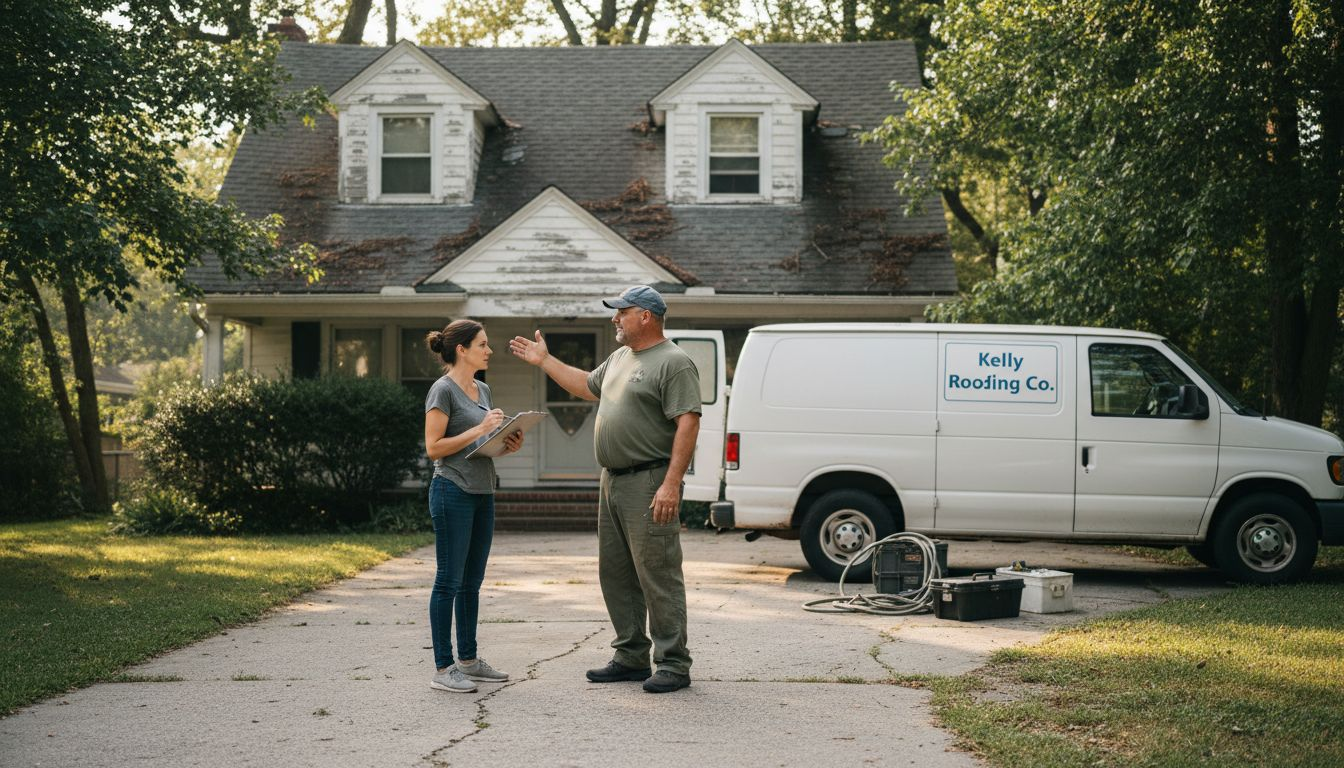
Most american homeowners are surprised to discover that roofing estimates can shift by as much as twenty percent once a project begins. Understanding the difference between an initial estimate and the real final cost is crucial for anyone planning roof work. This guide breaks down what a true roofing estimate includes, clears up common misconceptions, and helps you spot key details—giving you more control and fewer surprises when protecting your home.
Table of Contents
- Defining A Roofing Estimate And Common Misconceptions
- Types Of Roofing Estimates And Their Differences
- Key Components Included In Roofing Estimates
- Factors Influencing Roofing Estimate Costs
- Tips For Homeowners When Reviewing Estimates
Key Takeaways
| Point | Details |
|---|---|
| Understanding Roofing Estimates | Roofing estimates are detailed financial projections for roofing projects, covering material costs, labor, and potential additional expenses. |
| Types of Estimates | Various formats of roofing estimates serve distinct purposes, from preliminary estimates for initial budgeting to detailed estimates for comprehensive project planning. |
| Components of an Estimate | A thorough estimate should include material specifications, labor costs, disposal charges, project timelines, and warranty information for full transparency. |
| Critical Review Process | Homeowners should carefully verify contractor credentials, check itemization, compare multiple estimates, and understand warranty terms to make informed decisions. |
Defining a Roofing Estimate and Common Misconceptions
A roofing estimate is a comprehensive financial projection that breaks down the anticipated expenses for a complete roof replacement or repair project. According to Wikipedia, a cost estimate is an “approximation of the cost of a program, project, or operation, encompassing all expenses from labor to materials.” In roofing, this means carefully calculating total projected costs covering everything from raw materials to professional labor and potential additional services.
Roofing estimates typically include several critical components that homeowners should understand. These generally cover:
- Material costs for shingles, underlayment, and other roofing components
- Labor expenses for professional installation
- Potential disposal fees for removing existing roofing
- Potential repair costs for any underlying structural damage
- Estimated project timeline
One of the most common misconceptions about roofing estimates is that they represent a fixed, unchangeable price. In reality, estimates are professional projections that can fluctuate based on unexpected structural issues, material price changes, or additional complications discovered during the initial inspection. How to Hire a Roofing Contractor for a Stress-Free Project provides additional insights into understanding these nuanced pricing structures.
Professional contractors approach estimates with meticulous attention to detail, recognizing that transparency builds trust with homeowners. A quality estimate will not only provide a clear financial breakdown but also explain potential variables that might impact the final cost. This approach helps homeowners budget effectively and understand the full scope of their roofing project, eliminating surprises and ensuring a smoother renovation experience.
Types of Roofing Estimates and Their Differences
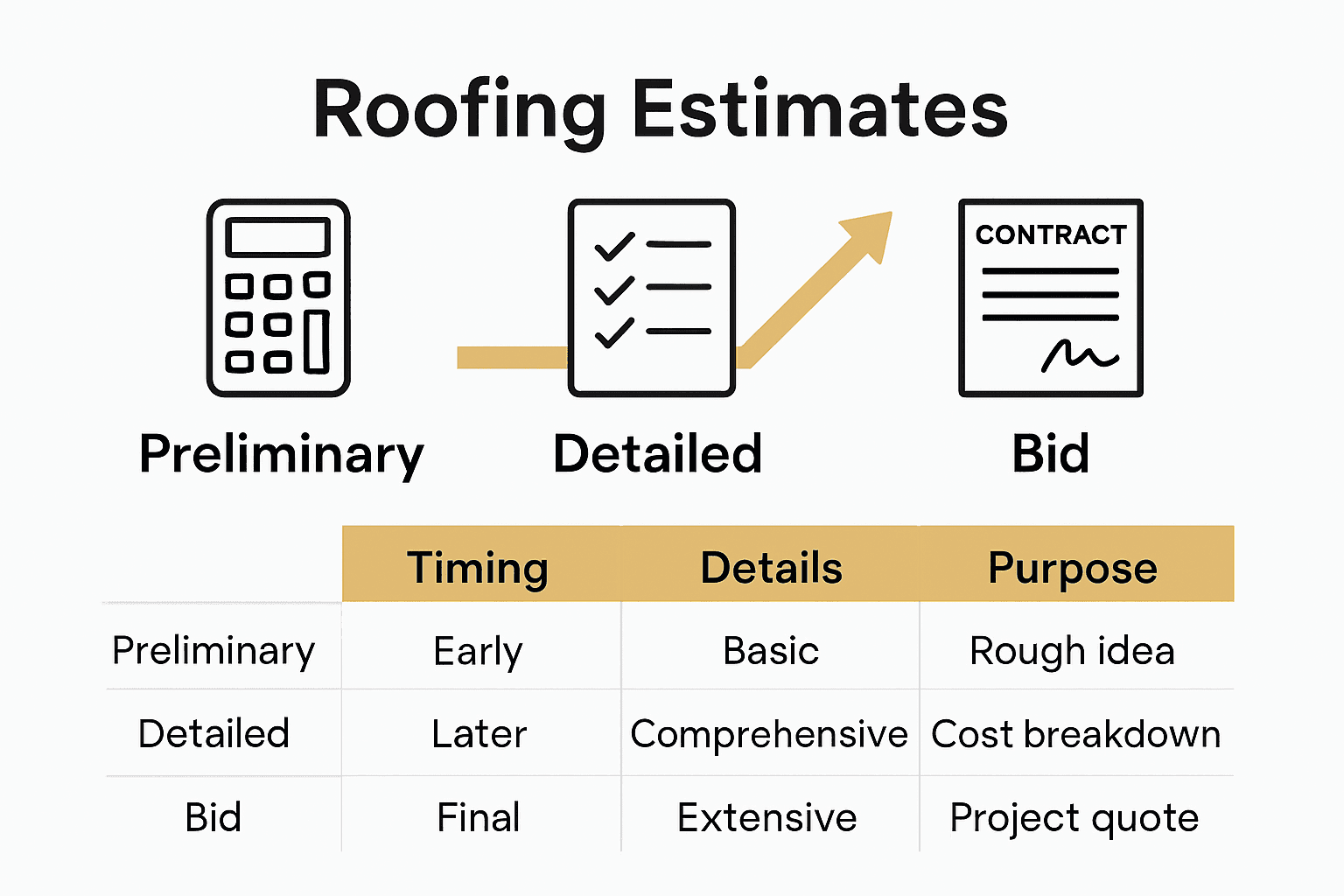
Roofing estimates come in several distinct formats, each serving a unique purpose in the project planning process. According to Wikipedia, the Basis of Estimate (BOE) is a critical project management tool that outlines different estimate types, including preliminary, detailed, and bid estimates. These variations provide homeowners with progressively more precise financial projections for their roofing projects.
The main types of roofing estimates include:
- Preliminary Estimates: Quick ballpark figures providing initial cost insights
- Detailed Estimates: Comprehensive breakdowns with itemized material and labor costs
- Bid Estimates: Formal proposals contractors submit for specific project requirements
- Conceptual Estimates: Early-stage projections used for initial planning
- Definitive Estimates: Highly precise calculations near the project’s final planning stages
As Angi explains, roofing estimates can vary significantly in format and detail. Some contractors provide lump sum pricing, while others offer granular, itemized cost breakdowns. These variations mean homeowners should carefully review each estimate, understanding that more detailed projections typically offer greater transparency and fewer potential surprises. Roofing Financing Options Explained can help you understand how these estimate types might impact your overall project budget.
Professional roofing contractors recognize that each estimate type serves a specific purpose in the project planning cycle. A preliminary estimate might help you initially budget, while a detailed estimate provides the comprehensive financial roadmap needed for precise planning. Understanding these differences empowers homeowners to make informed decisions, comparing estimates effectively and selecting the most appropriate roofing solution for their specific needs and budget constraints.
Key Components Included in Roofing Estimates
A comprehensive roofing estimate is far more than a simple price tag. According to Angi, key components should include detailed information about project timeline, company credentials, licenses, insurance verification, and precise cost breakdowns. These elements transform an estimate from a basic quote into a comprehensive project blueprint that gives homeowners complete transparency.
The specific components typically included in a professional roofing estimate are:
- Material Specifications: Detailed list of roofing materials
- Labor Costs: Breakdown of installation and worker expenses
- Removal Fees: Costs associated with removing existing roofing
- Disposal Charges: Expenses for hauling away old roofing materials
- Potential Repair Costs: Estimated expenses for underlying structural issues
- Project Timeline: Expected duration of the roofing project
- Warranty Information: Coverage details for materials and workmanship
As Asphalt Roofing explains, a truly comprehensive estimate should meticulously detail quantities of materials like shingles, underlayment, flashing, and ventilation accessories, precisely calculated based on specific roof measurements and design. How to Choose the Right Roofing Material for Your Home can provide additional insights into understanding material specifications.
Professional contractors understand that a well-constructed estimate serves multiple purposes beyond simple pricing. It acts as a communication tool, setting clear expectations, preventing misunderstandings, and providing homeowners with a transparent view of the entire roofing project. By carefully reviewing each component, you can ensure you’re not just getting a price, but a comprehensive plan for your home’s roofing needs.

Factors Influencing Roofing Estimate Costs
Roofing estimate costs are not a one-size-fits-all calculation, but a complex interplay of multiple variables. According to AS Estimation, several key factors dramatically impact the final price, including roof size, complexity, material choices, labor rates, geographic location, and even local weather conditions. These interconnected elements create a unique financial landscape for each roofing project.
The primary factors that most significantly influence roofing estimate costs include:
- Roof Size and Complexity: Larger or more intricate roof designs require more materials and labor
- Material Selection: Different roofing materials range from economical to premium options
- Structural Condition: Underlying roof damage can increase overall project costs
- Local Labor Rates: Varies by region and contractor expertise
- Seasonal Timing: Off-peak seasons might offer more competitive pricing
- Accessibility: Difficult-to-reach roofs require specialized equipment
- Permits and Regulations: Local building codes can impact overall expenses
Research from MDPI highlights how specialized roofing methods like cool roofs, insulated roofs, or green roofs introduce additional complexity to cost calculations. 7 Essential Roofing Maintenance Tips Every Homeowner Should Know can help you understand how regular maintenance might mitigate some of these cost factors.
Professional contractors approach each estimate as a unique puzzle, carefully evaluating these interconnected variables. Homeowners should understand that while an estimate might seem straightforward, it represents a sophisticated calculation reflecting the specific characteristics of their roof, local market conditions, and individual project requirements. Being transparent about these factors helps create realistic expectations and prevents unexpected financial surprises during the roofing process.
Tips for Homeowners When Reviewing Estimates
Reviewing a roofing estimate requires careful attention and a strategic approach. According to Angi, homeowners should meticulously examine multiple key elements to ensure they’re making an informed decision. A comprehensive estimate is not just about the bottom line, but about understanding the full scope of the proposed roofing project.
Critical steps for effectively reviewing a roofing estimate include:
- Verify Credentials: Confirm contractor’s licenses and insurance
- Check Itemization: Ensure detailed breakdown of materials and labor
- Compare Multiple Estimates: Get at least 3-4 estimates for comparison
- Understand Warranty Terms: Review coverage for materials and workmanship
- Assess Material Quality: Evaluate proposed roofing materials
- Inspect Timeline Details: Understand project duration and scheduling
- Review Payment Terms: Clarify payment schedule and potential deposits
As AS Estimation highlights, homeowners should focus on long-term value rather than just the initial price. The cheapest estimate isn’t always the most economical choice when considering quality and durability. Why Hire a Contractor: Complete Homeowner Guide offers additional insights into making smart hiring decisions.
Ultimately, a thorough review of your roofing estimate is about protecting your home and your investment. Professional contractors understand that transparency builds trust. Don’t hesitate to ask questions, request clarifications, and fully understand every aspect of the estimate before making a final decision. Remember, a quality estimate should leave you feeling informed, confident, and comfortable with the proposed roofing project.
Get Clear, Reliable Roofing Estimates from Trusted Local Experts
Understanding the true cost of your roofing project can feel overwhelming. This article breaks down the complexity behind a roofing estimate, addressing common challenges such as fluctuating prices, hidden repair costs, and unclear timelines. If you want to avoid surprises and gain full confidence in your roofing investment, knowing exactly what goes into a professional estimate is essential.
At J. A. Kelly Contracting Services, we specialize in providing detailed roofing estimates that cover every crucial element – from material specifics to labor and disposal fees. Our transparent approach ensures you understand each cost factor so you can plan your budget with confidence. Learn more about our expert services in the Roofing Archives and explore additional helpful insights in our Home Renovation Archives.
Don’t let uncertainty delay your roofing project. Contact us today at https://jakellycontractingservices.ca for a free, clear, and customized roofing estimate. Get the peace of mind that comes from working with trusted local professionals who prioritize your home’s safety and value.
Frequently Asked Questions
What is included in a roofing estimate?
A roofing estimate typically includes material specifications, labor costs, removal and disposal fees, potential repair costs for underlying structural issues, the project timeline, and warranty information.
How do I interpret variations in roofing estimates?
Variations in roofing estimates can arise from different levels of detail, types of estimates, and contractor pricing structures. Always review the itemization and ask for clarifications to understand what factors are influencing the costs.
What factors can affect the cost of a roofing estimate?
Key factors that influence roofing estimate costs include roof size and complexity, material selection, structural condition, local labor rates, seasonal timing, accessibility, and any permits or regulations required.
Why should I compare multiple roofing estimates?
Comparing multiple roofing estimates is essential to ensure you are getting a fair price and a comprehensive understanding of the proposed work. This allows you to assess the value offered by different contractors and make an informed decision regarding your roofing project.
Recommended
- Roofing Financing Options Explained: Complete Guide – J. A. Kelly Contracting Services
- How to Hire a Roofing Contractor for a Stress-Free Project – J. A. Kelly Contracting Services
- 7 Essential Roofing Maintenance Tips Every Homeowner Should Know – J. A. Kelly Contracting Services
- Why Hire a Contractor: Complete Homeowner Guide – J. A. Kelly Contracting Services